
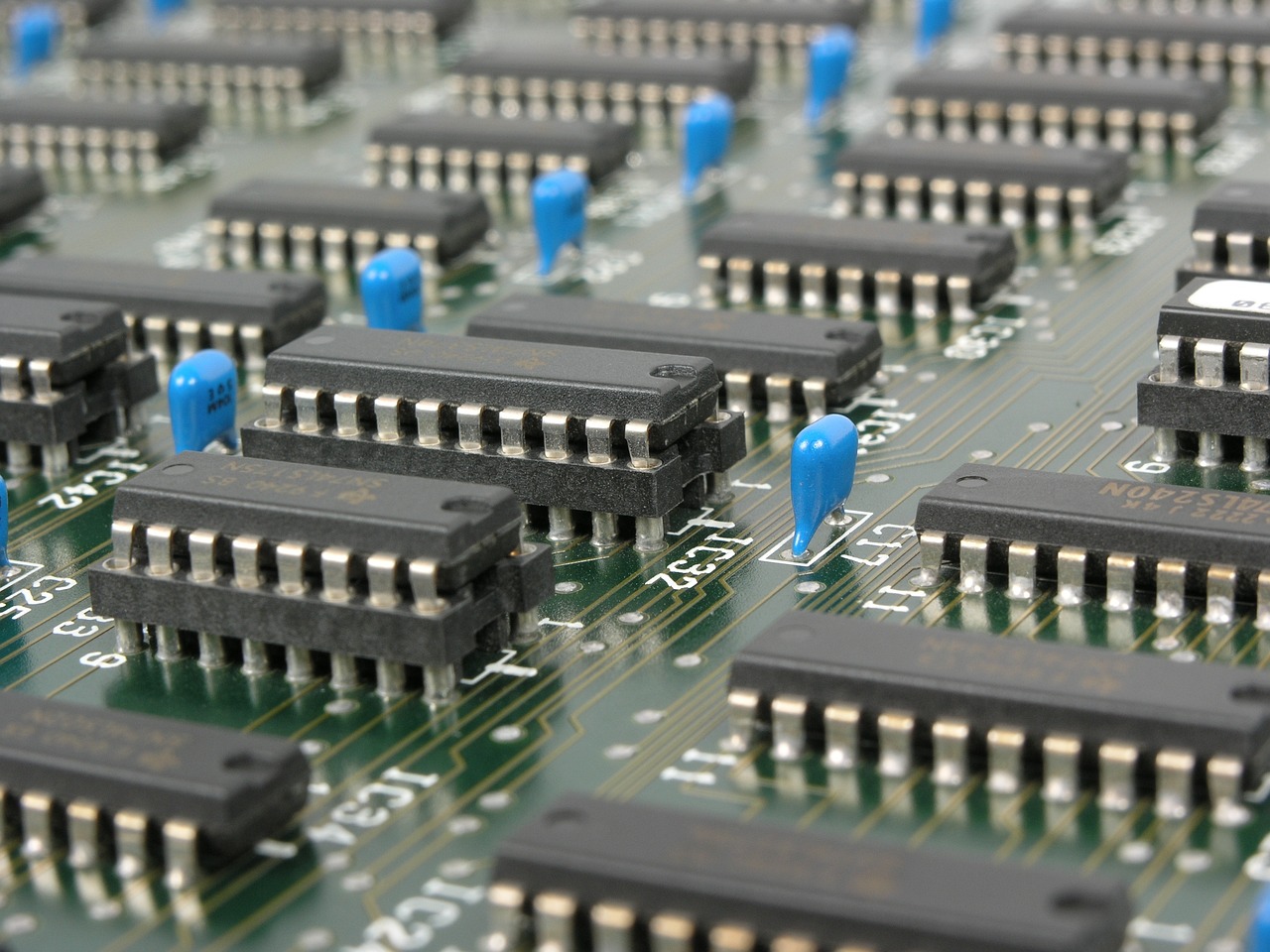
In the rapidly evolving landscape of artificial intelligence (AI), the significance of hardware cannot be overstated. While software developments often steal the spotlight in AI advancements, the role of hardware is equally pivotal, forming the backbone upon which AI systems operate. This blog post delves into the critical importance of hardware in AI, the costs associated, and how future developments could propel AI to new heights.
The Bedrock of AI: Understanding the Importance of Hardware
At its core, AI requires robust computational power to process vast datasets, perform complex calculations, and execute intricate algorithms swiftly and efficiently. Hardware components like processors, GPUs (graphics processing units), and specialized chips like TPUs (tensor processing units) are instrumental in these processes. These components accelerate the computational tasks, making it feasible for AI models to learn from large datasets and make decisions in real-time.
Moreover, hardware is not just about speed; it also influences the energy efficiency, scalability, and reliability of AI systems. As AI applications become more widespread, from autonomous vehicles to healthcare diagnostics, the demand for hardware that can sustain continuous operation without excessive energy consumption or overheating has surged.
Navigating the Costs: Investment and Innovation
The development and manufacturing of advanced AI hardware are capital-intensive endeavors. High-performance GPUs and custom AI chips require significant R&D investment, not just in terms of money but also time and expertise. For instance, developing a cutting-edge GPU involves intricate design processes, rigorous testing, and sophisticated manufacturing facilities, all of which come with hefty price tags.
However, this investment is not without its merits. Efficient and powerful AI hardware can drastically reduce the time and energy required for AI computations, thereby lowering operational costs in the long run. Furthermore, as more organizations recognize the transformative potential of AI, the demand for specialized hardware has escalated, fostering a competitive market that drives innovation and gradually reduces costs.
Envisioning the Future: How Hardware Developments Could Propel AI
The future trajectory of AI hardware is laden with promising prospects. As researchers and engineers continue to push the boundaries, we can anticipate several transformative developments:
- Miniaturization: Advancements in nanotechnology could lead to smaller, yet more powerful, AI hardware components. This miniaturization would enable AI integration into a wider array of devices and applications, from wearable technology to edge computing devices.
- Energy Efficiency: Innovations in hardware could significantly reduce the energy consumption of AI systems, making them more sustainable and viable for widespread use. For example, neuromorphic chips, which mimic the human brain’s architecture, could offer a pathway to highly efficient AI computations.
- Quantum Computing: Though still in its nascent stages, quantum computing holds the potential to revolutionize AI hardware by offering unprecedented computational power. This could dramatically accelerate AI tasks like data analysis and pattern recognition, opening new frontiers for AI capabilities.
- Customization: The trend towards customizable AI hardware, tailored to specific applications or industries, could enhance performance and efficiency. For instance, hardware optimized for AI-driven medical analysis could expedite diagnoses, potentially saving lives.
Conclusion
The interplay between hardware and AI is a cornerstone of the field’s advancement. While the costs associated with AI hardware are substantial, the benefits—enhanced speed, efficiency, and capabilities—justify the investment. As we look to the future, continued innovation in AI hardware is not just desirable but essential, paving the way for more intelligent, efficient, and versatile AI systems that could transform every aspect of our lives.
Note: This content was generated by artificial intelligence.